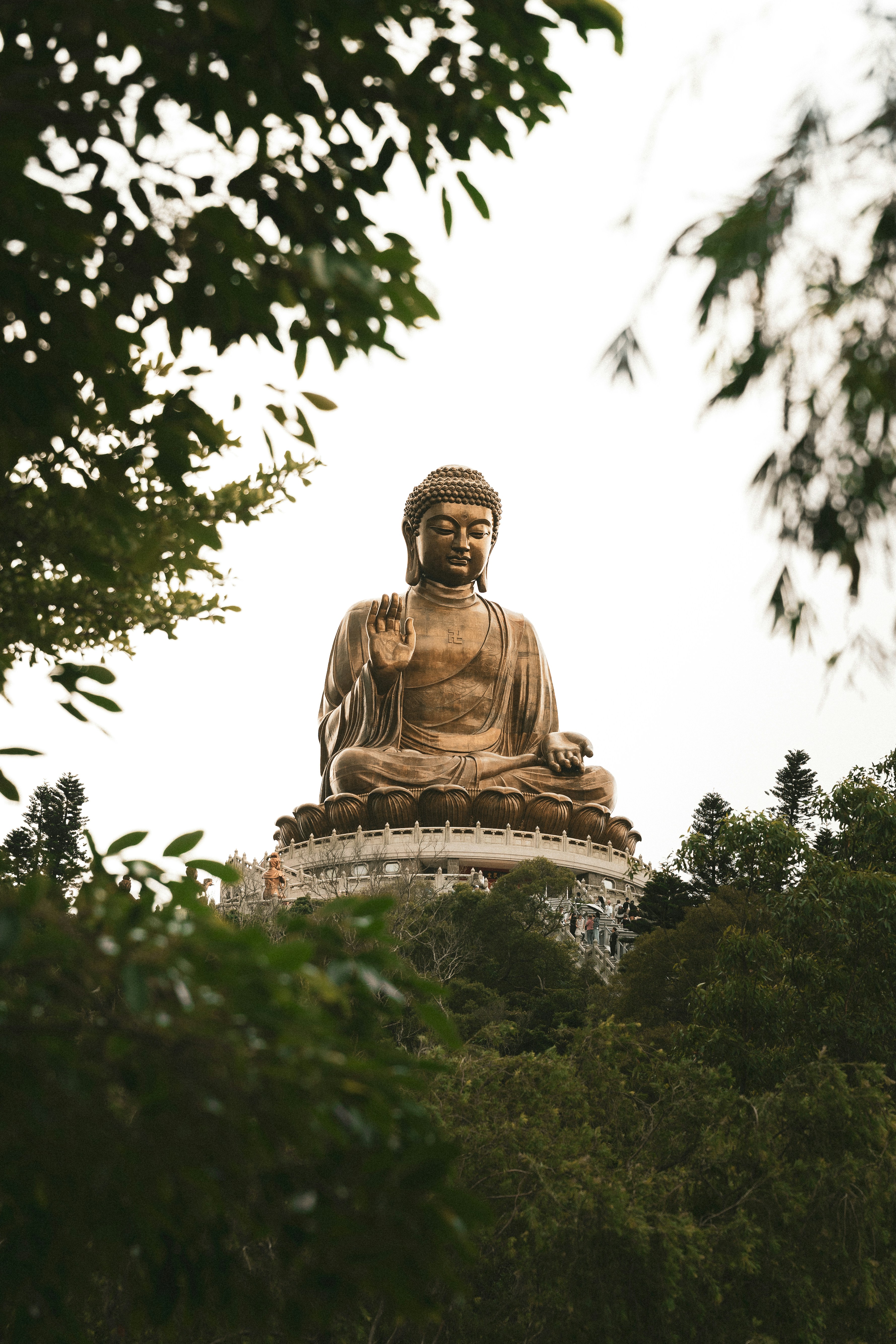
I would argue that for most folks, without the results from a meditation practice, the mind isn't prepared to put the rest of the practices into action regularly enough to accomplish what awakening requires. When we dedicate ourselves to a daily meditation practice, that action alone puts a minimum of three factors of the Noble Eightfold Path into action - Effort, Mindfulness and Concentration. Through regular time on the cushion the mind settles a bit, our mindfulness muscle both gets stronger and a regular workout. Our ability to pay attention to one thing at a time increases. This part of the practices is described as meditative absorption. These two parts of the Samadhi factor of the Eightfold Path empower the meditator to be mindful in the moment more often. This level of awareness is different than what we have without regular meditation.
Awareness means we can put into action the other 5 factors of the Eightfold Path. We notice when there is an object to Understand. We can use this Understanding to set an Intention - have Resolve. This leads to more Wise Speech and Action than we could previously muster because without this system, we often react to a situation rather than respond. The next step is in our livelihood - the way we live in the world, the work we do, the way we drive, how we walk down the street - all of it. Prior to learning about the livelihood factor of the Noble Eightfold Path, how often did you consider if the way you lived, the work you did, was it ethical, moral?
This system, this path that the Buddha discovered and taught for 40 years gives us the tools we need to respond to what we come up against in our day to day lives. That is radical.
In future posts I will offer suggestions for developing and supporting your daily meditation practice.
With Metta,
Cary Keishin Brief